In 2019, Welpalla Herbal Garden was not a business idea. It was a response to silence.
When we first read the Red List of Sri Lanka — the list of trees slowly disappearing from our land — one question stayed in our heart: Who is protecting them?
After speaking with those involved in creating the Red List, we realized something painful — awareness existed, but active preservation was rare. The trees were listed. But they were not being protected.
At that moment, a simple decision was made:
If no one is doing it, we will.
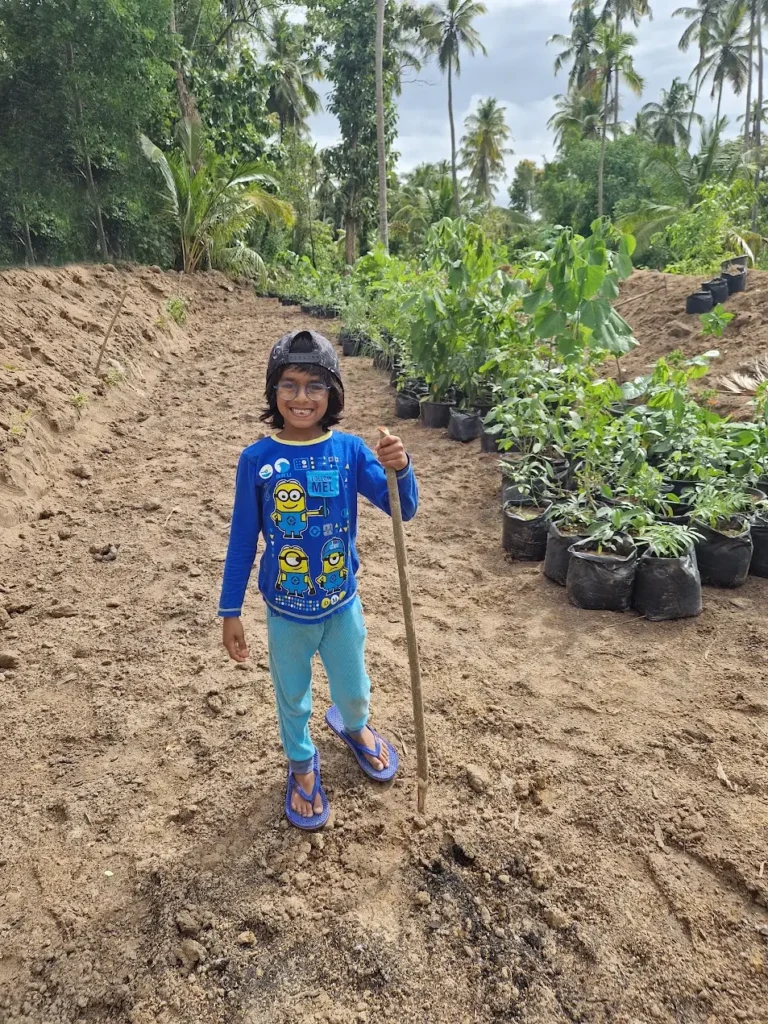
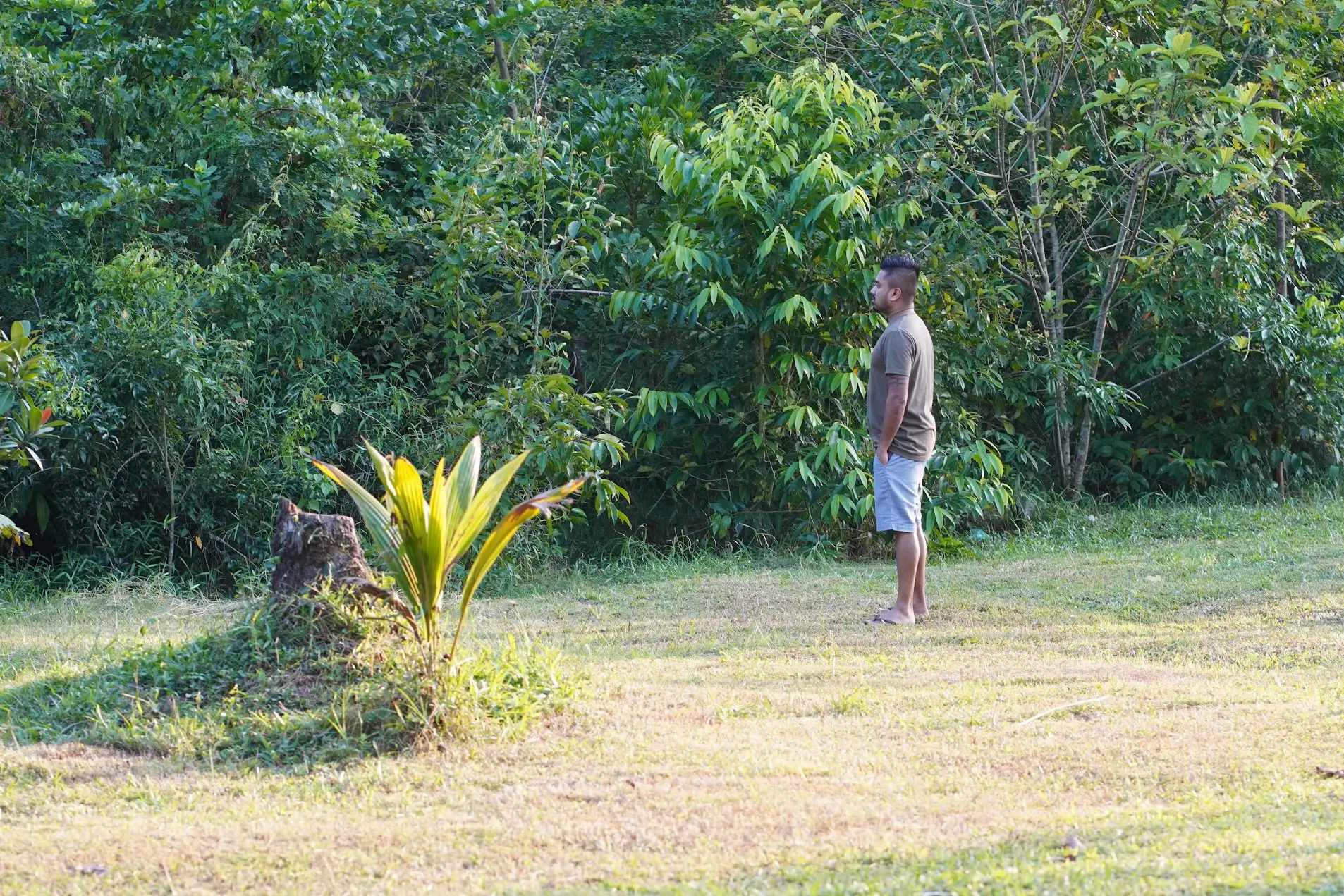
The founder Deesh Banneheka, who since childhood felt most alive among trees and soil, began this journey not as an expert — but as a student of nature. And while learning about endangered species, he began teaching his own children at the same time. Every plant we planted was also a lesson. Every root that grew into the soil was also growing values in the next generation.
The first step was bold: 2,000 red-listed trees.
2019–2023 : Growing Against the Odds
The journey was not simple.
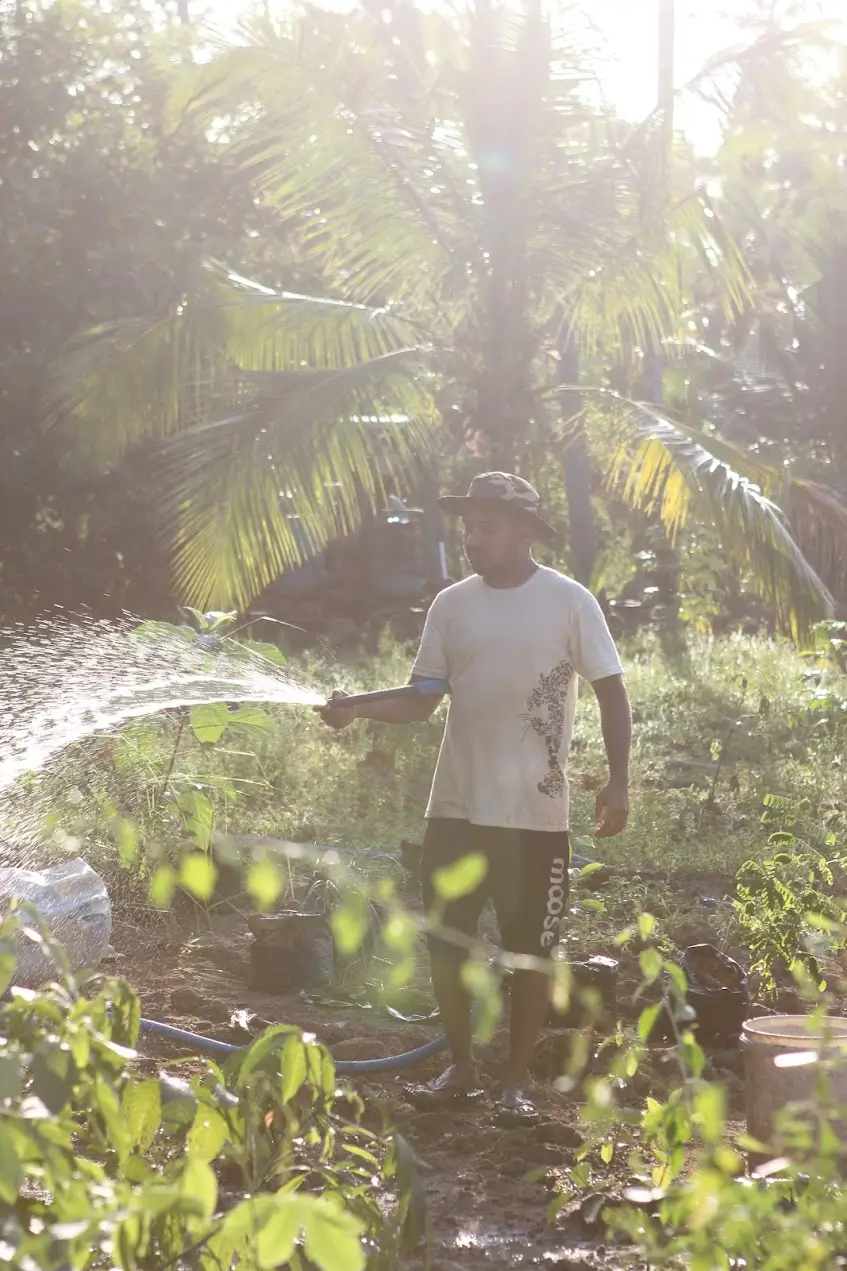
Rare trees require care. Knowledge had to be gathered. Soil had to be prepared. Climate patterns had to be understood. Many times, progress was slow. Some plants did not survive. Some species were extremely difficult to source.
But giving up was never an option.
Within four years, what began as 2,000 trees became 5,000 protected plants — representing over 650 varieties of red-listed and rare species.
Each plant carried a story. Each variety represented hope.
Welpalla was slowly transforming into something more than a garden. It was becoming a living conservation space, a sanctuary where endangered species could grow safely — and where visitors could witness what preservation truly means.
2023 – Planting Knowledge with Wayamba University
In 2023, the mission expanded beyond our land.
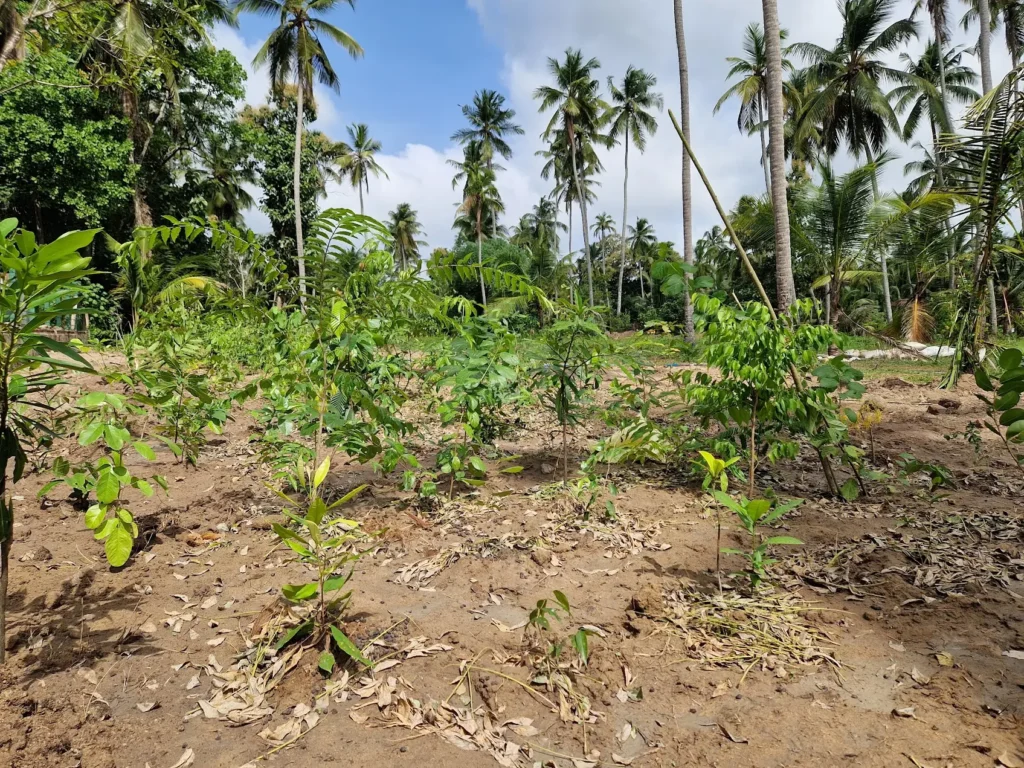
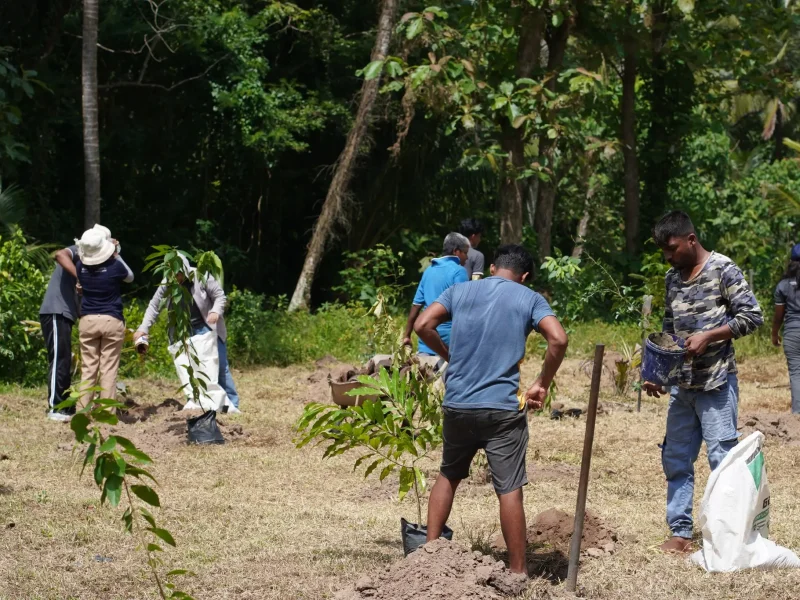
Together with students from the Wayamba University of Sri Lanka, we planted 1,000 additional red-listed trees using the Miyawaki forest method.
This was not only about planting trees. It was about planting awareness.
Students learned:
What red-listed species truly mean
Why biodiversity matters
How the Miyawaki method accelerates forest growth
How responsibility begins with action
Watching young minds connect science with soil was powerful. The forest grew quickly — but even more importantly, so did the consciousness of the next generation.
2026 – Seven Years Later
Seven years later, the land tells its own story.
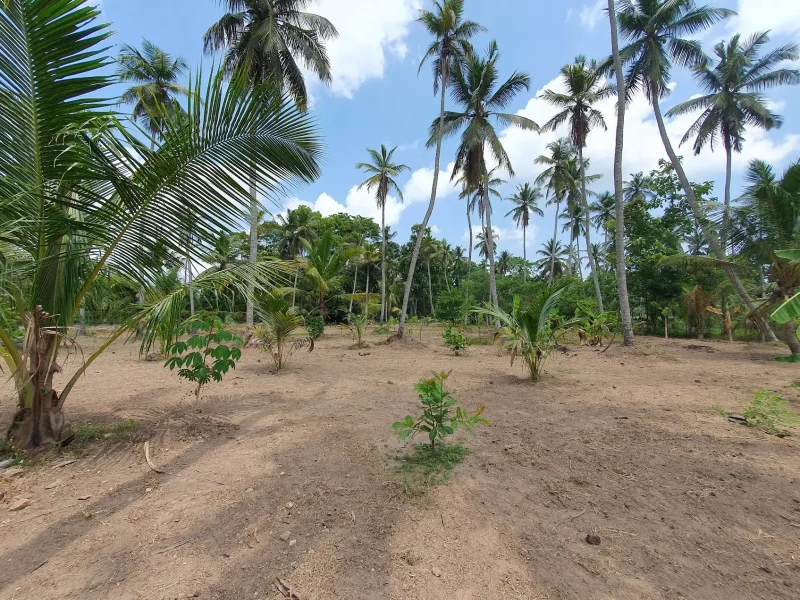
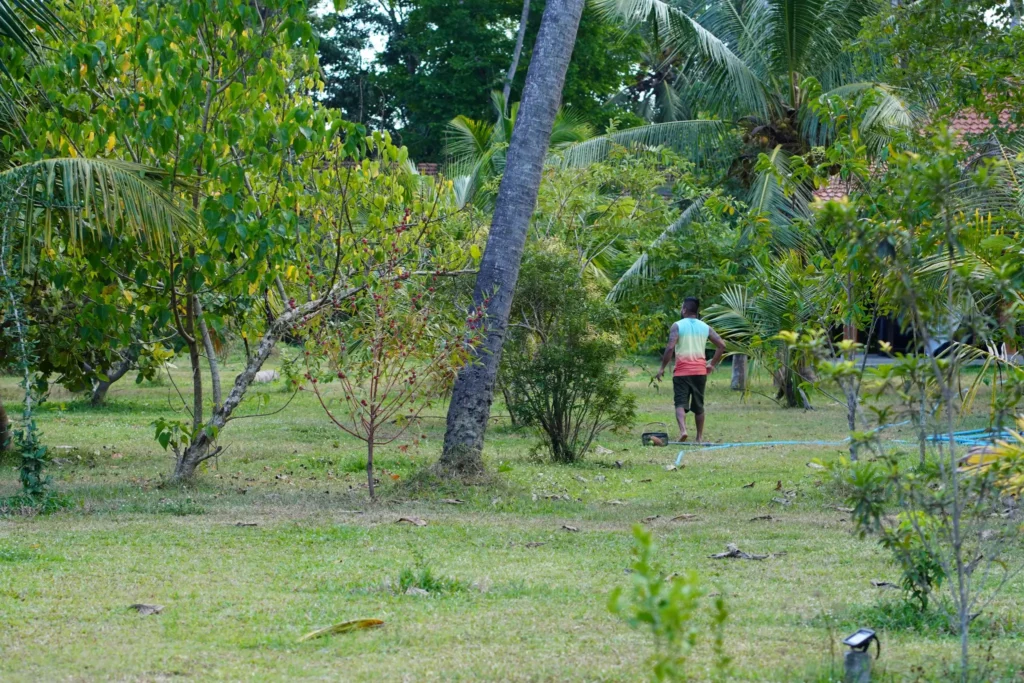
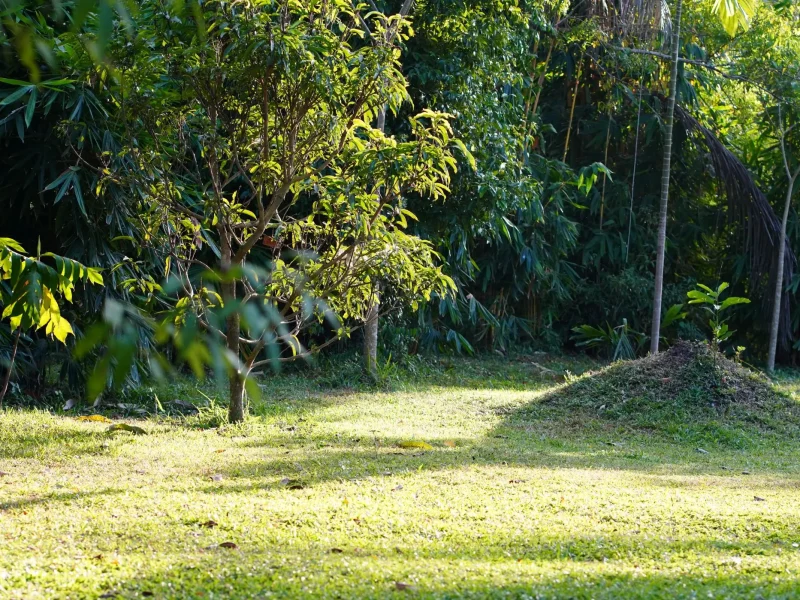
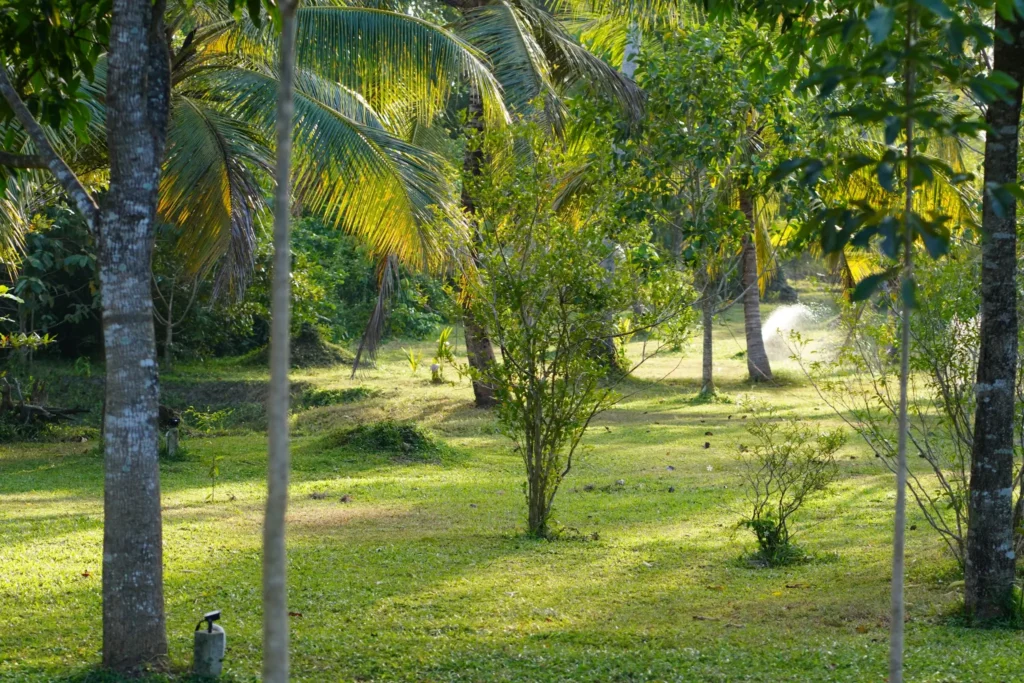
What was once open soil is now layered with green life. Birds have returned. Shade has deepened. Roots have strengthened the earth.
Today, Welpalla Herbal Garden protects over 6,000 red-listed trees across hundreds of species — a living archive of Sri Lanka’s threatened botanical heritage.
But more than numbers, what truly grew is something invisible:
A culture of care. A belief that individuals can act. A commitment to teach children that conservation is not a theory — it is a daily responsibility.
A Message to the World
You do not need to wait for governments. You do not need permission to care.
Change begins when one person says: “If no one is doing it, I will.”
Welpalla Herbal Garden is proof that one decision, made with love for nature, can grow into a forest of hope.